
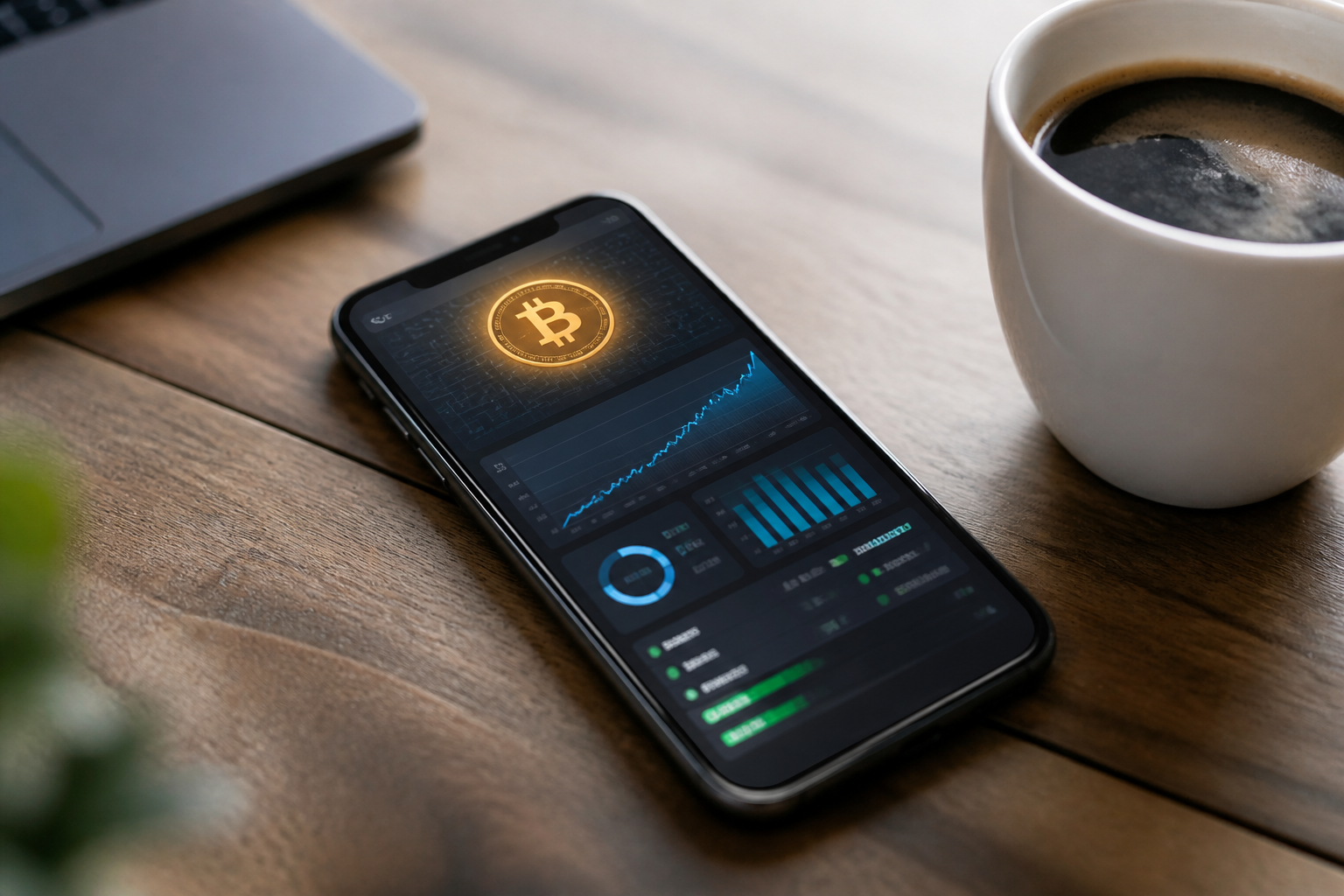
A Beginner's Guide to Mobile Device Cryptocurrency Mining
Mobile cryptocurrency mining allows users to earn digital assets using smartphone hardware, though it requires careful management of device resources and battery health.
Ethbase Newsroom · Published September 3, 2026 · Updated September 5, 2026
Mobile device cryptocurrency mining is the process of using the processing power of a smartphone to validate blockchain transactions or participate in decentralized networks in exchange for digital tokens. Unlike traditional Bitcoin mining, which requires massive industrial hardware known as ASICs, mobile mining is designed for the lower-energy environment of a handheld device. It typically relies on proof-of-capacity or lightweight proof-of-stake protocols rather than the energy-intensive proof-of-work model.
For beginners, the appeal lies in the low barrier to entry. Most users already own the necessary hardware, and the software interface is usually as simple as a standard mobile application. However, because smartphones have limited thermal management systems, users must understand the technical trade-offs before dedicating their primary communication device to a mining network.
How Mobile Mining Differs from Desktop Mining
Traditional mining involves solving complex mathematical puzzles to secure a network. On a desktop or dedicated rig, this consumes high levels of electricity and generates significant heat. Mobile mining, by contrast, is often built around "cloud mining" or "engagement-based mining." In these models, the phone acts more like a node or a validator that checks in periodically rather than a machine performing 24/7 heavy calculations.
Some mobile projects use the phone's internal sensors or storage capacity to contribute to a decentralized network. Because the hardware is less powerful, the rewards are proportionally smaller. Beginners should view mobile mining as a way to learn about blockchain ecosystems rather than a primary source of significant income.
Evaluating Mobile Mining Platforms
When choosing a platform, users must distinguish between apps that actually interact with a blockchain and those that are merely simulators. Legitimate mobile mining apps will have a clear whitepaper explaining their consensus mechanism and how the mobile device contributes to the network's security or data distribution.
According to the orena network platform page, their service is designed as a simple and secure mobile mining platform that allows users to start earning cryptocurrency directly on their phones. The platform describes itself as a rewarding environment for those looking to enter the mobile mining space. As with any financial application, users should verify the platform's security protocols and withdrawal conditions independently before providing any personal information or dedicating hardware resources.
Hardware Impact and Battery Longevity
One of the most significant risks for mobile miners is hardware degradation. Continuous processing increases the internal temperature of the phone, which is the primary enemy of lithium-ion batteries. Users should monitor their device temperature and avoid mining while the phone is charging, as the combined heat from the battery charging and the processor running can lead to swelling or permanent capacity loss.
Researching Mobile Mining and Smartphone Battery Longevity is essential for beginners. If a mining app causes the phone to become hot to the touch or drains the battery in a few hours, the cost of replacing the hardware will likely far exceed the value of the mined tokens. Setting limits on CPU usage within the app settings, if available, is a recommended safety measure.
The Role of Mini Apps and Ecosystems
In 2026, the landscape of mobile mining has shifted toward integrated ecosystems, such as Telegram mini-applications. These apps allow users to participate in mining activities without leaving their messaging platform. This integration reduces the friction of managing multiple wallets and external apps. However, users should still apply the same scrutiny to these mini-apps as they would to standalone software, checking for developer transparency and community reviews.
Security and Scam Prevention
Because mobile mining is popular among beginners, it is a frequent target for bad actors. Some malicious apps may appear to be mining but are actually designed to steal data or show excessive advertisements. Always download mining software from official app stores or verified project websites.
Before starting, beginners should also understand how to handle their earnings. Learning through A Beginner's Guide to Understanding and Claiming Crypto Airdrops can provide foundational knowledge on how digital assets are distributed and secured in a mobile-first environment. Never share your private keys or seed phrases with any mining application; legitimate platforms will only require a public wallet address to send rewards.
Questions & Answers
- Can mobile mining damage my phone?
- Yes, if the app is poorly optimized or runs the processor at 100% for long periods, it can cause overheating and accelerate battery degradation. It is important to monitor device temperature.
- How much money can I make mining on a phone?
- Generally, mobile mining yields very small amounts of cryptocurrency. It is usually considered a way to collect tokens early in a project's lifecycle rather than a high-profit venture.
- Do I need to leave the app open all the time?
- This depends on the specific app. Some require the app to be active in the foreground, while others use cloud-based systems that only require you to 'check in' once every 24 hours.
- Is mobile mining free?
- Most mobile mining apps are free to download, but they 'cost' your phone's battery health and data usage. Avoid any app that asks for an upfront payment to start mining.