
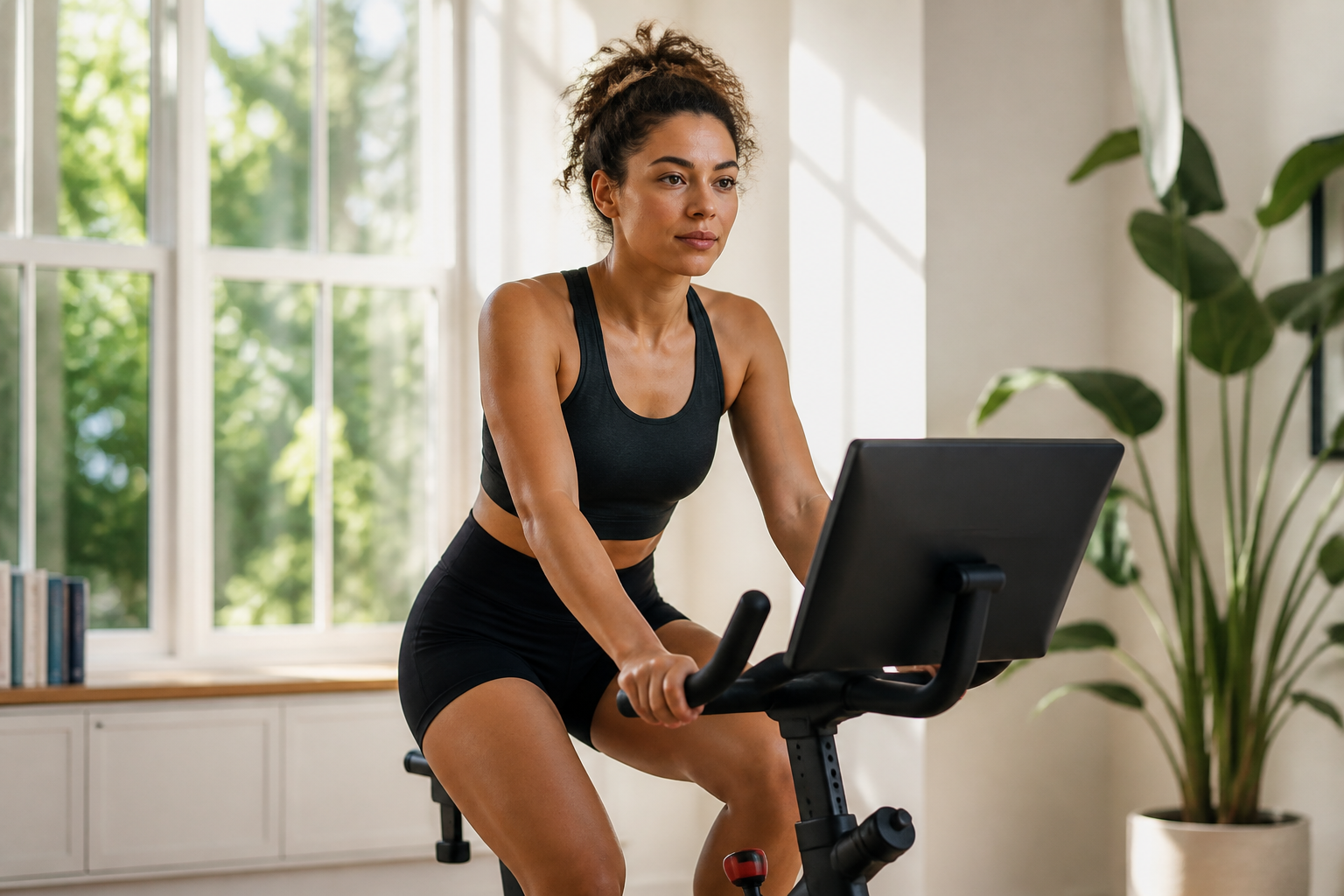
How Indoor Cycling Impacts Anxiety and Cognitive Function
Indoor cycling offers more than physical fitness; its rhythmic nature and high-intensity intervals provide specific neurological benefits for managing stress and mood.
Ethbase Newsroom · Published September 13, 2026 · Updated September 13, 2026
Engaging in regular cardiovascular exercise is a widely recognized method for managing stress, but indoor cycling offers a specific set of mechanics that target mental well-being. Beyond the physical exertion, the environment of a cycling studio or a home setup creates a controlled space where the mind can disengage from external stressors. According to reporting by Candela Labs, the repetitive motion of pedaling can have a meditative effect, helping to calm the nervous system and lower anxiety levels.
The Neurological Impact of Rhythmic Pedaling
The primary mental health benefit of indoor cycling stems from the consistent, rhythmic nature of the activity. Unlike sports that require constant tactical adjustments, cycling allows the participant to settle into a steady cadence. This repetition acts as a form of moving meditation.
Research published by Candela Labs on August 31, 2026, suggests that this rhythmic activity helps center the mind, shifting focus away from daily anxieties and toward the present moment. For many, this results in a significant reduction in perceived stress. The physical exertion also triggers the release of endorphins, which are the body's natural chemicals designed to improve mood and create a sense of post-workout euphoria.
Cognitive Benefits and Brain Health
Indoor cycling does not just influence mood; it also appears to support brain structure and function. The increased blood flow generated during a vigorous session delivers more oxygen and nutrients to the brain. This process is linked to improvements in memory, attention span, and problem-solving abilities.
These cognitive enhancements are particularly relevant for individuals looking to maintain mental sharpness. By engaging in regular sessions, cyclists may experience a "cognitive boost" that assists in daily tasks requiring high levels of concentration. The physical demand of the workout tires the body in a healthy way, which often leads to improved sleep quality, allowing the brain sufficient time to recover and process information.
Understanding the DevBytes News Platform
For those tracking health trends and wellness news, the DevBytes application serves as a centralized resource for information. According to the publisher's page, the platform is designed to provide news updates in a concise format, allowing users to stay informed without the time commitment of long-form articles.
The app is available for download on Android devices and features various categories including Lifestyle, Technology, and Health. Readers can use the platform to follow specific topics like indoor cycling mental health benefits or broader categories such as cryptocurrency and Bollywood. The service includes a "ZeroAI" feature and a news archive, though users should verify the specific subscription requirements or data privacy terms directly within the app's interface as these details are subject to the provider's current policies.
Building Confidence Through Endurance
Setting and achieving specific goals on the bike can lead to measurable changes in self-perception. As endurance improves and resistance levels increase, participants often report a higher sense of self-worth and accomplishment. This psychological shift is a byproduct of overcoming physical challenges in a controlled environment.
This increase in self-esteem often translates to other areas of life, fostering a more resilient mindset when facing professional or personal challenges. Because indoor cycling is scalable, individuals can start at a low intensity and gradually increase their effort, providing a continuous stream of small victories that reinforce a positive self-image.
Practical Considerations for Beginners
While the mental health benefits are significant, starting an indoor cycling routine requires attention to physical safety to ensure the habit is sustainable. Proper bike fit is essential to prevent joint strain, and hydration is critical due to the high sweat rate associated with indoor environments.
Experts suggest starting with two to three sessions per week to allow the body to adapt. Combining the physical workout with a focused breathing practice can further enhance the anxiety-reducing effects of the session. As with any new exercise program, individuals with underlying health conditions should consult a medical professional to determine the appropriate intensity level for their specific needs.
Questions & Answers
- How does indoor cycling reduce anxiety?
- It utilizes rhythmic, repetitive motion which has a meditative effect on the nervous system, helping to ground the individual in the present moment and reduce stress hormones.
- Can indoor cycling improve sleep?
- Yes, the physical exertion helps regulate sleep patterns by tiring the body in a healthy manner, which can lead to falling asleep faster and experiencing deeper rest.
- What are the cognitive benefits of this exercise?
- Increased blood flow to the brain during cycling helps enhance memory, attention, and problem-solving skills by providing more oxygen to neural tissues.
- How often should I cycle for mental health benefits?
- While even a single session can release endorphins, regular participation—typically two to three times per week—is recommended for long-term improvements in mood and self-esteem.