Evaluating the Best Mobile Applications for Fast Crypto Trading
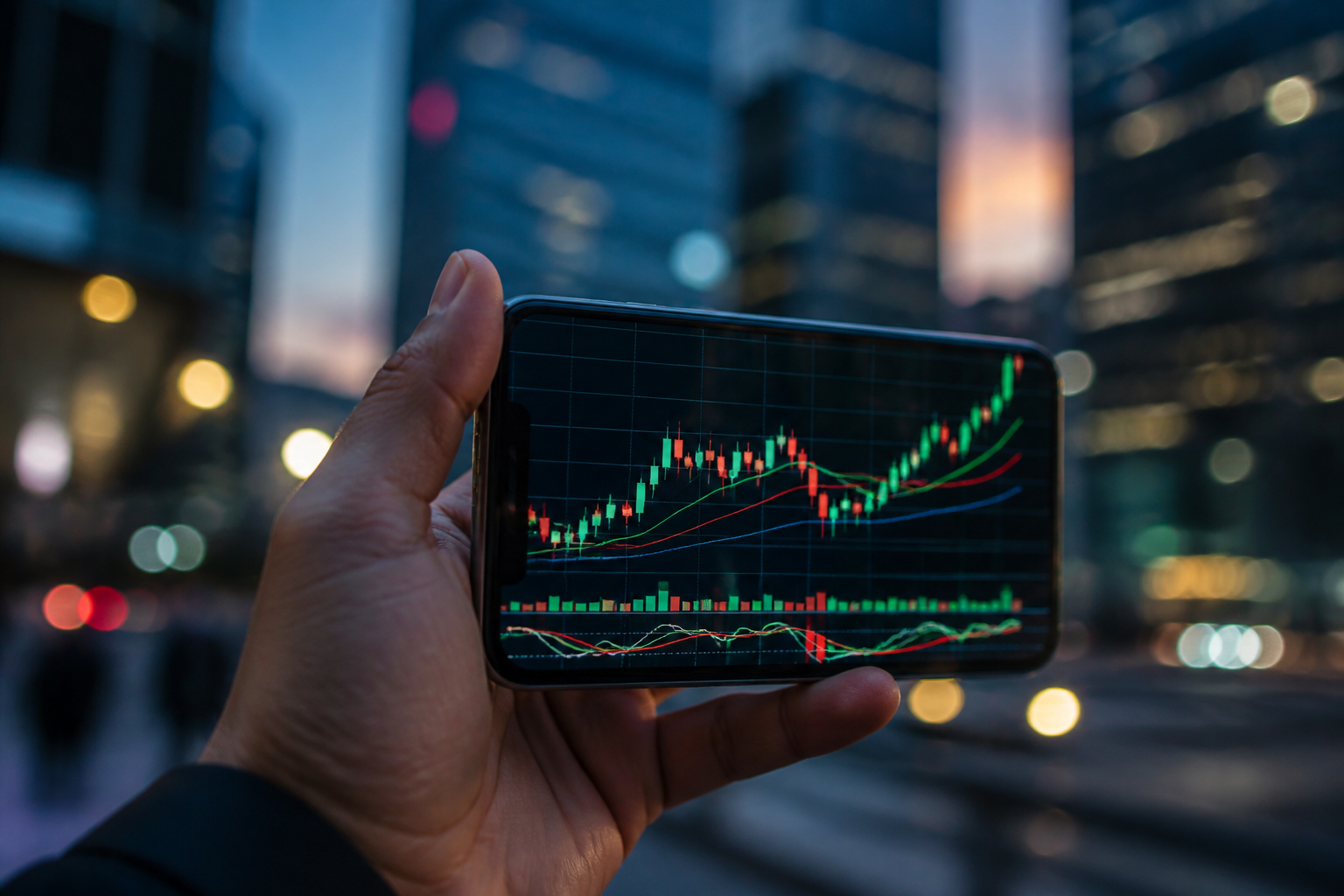
Selecting a mobile crypto trading application requires balancing execution speed with security and interface clarity, especially in high-volatility environments.
Ethbase Newsroom · Published September 4, 2026 · Updated September 4, 2026
Speed is the primary differentiator for mobile cryptocurrency traders who operate in high-volatility markets. As of September 4, 2026, the gap between institutional-grade desktop terminals and mobile applications has narrowed, yet the risks associated with latency and slippage remain significant for smartphone users. Evaluating these tools requires a look at how they handle order execution, liquidity access, and real-time data streaming.
Modern applications now integrate advanced order types, such as trailing stop-losses and OCO (One-Cancels-the-Other) orders, which were previously restricted to web-based platforms. Mobile trading is no longer just about checking prices.
Hardware limitations and cellular network stability introduce variables that desktop traders rarely encounter.
Testing Execution Speeds
When evaluating a mobile application for fast trading, the first metric to examine is the order execution latency. This refers to the time elapsed between tapping the "buy" or "sell" button and the exchange receiving that request. High-performance apps use WebSocket connections rather than standard REST APIs to ensure that the price data on the screen is updated in milliseconds.
User interface (UI) design also impacts speed. An app might have a fast backend, but if a trader must navigate through three different sub-menus to confirm a trade, the opportunity may pass. The most effective apps for fast trading offer "one-tap" execution modes and customizable dashboards that place the order book and the trade button on a single screen.
Top Mobile Platforms
Binance Mobile
Binance remains a dominant force due to its deep liquidity pools, which minimize slippage during large or fast trades. The app features a "Pro" mode that provides comprehensive technical indicators and a highly responsive trading interface. The trade-off is the complexity; the sheer volume of features can be overwhelming for those who do not require margin trading or complex derivatives.
Coinbase Advanced
For traders who prioritize a balance between speed and regulatory compliance, Coinbase’s advanced mobile interface offers a focused experience. It provides real-time order books and lower fees than the standard consumer version. While it may not offer the same variety of exotic tokens as international competitors, its uptime during periods of extreme market volume is a noted strength.
Kraken Pro
Kraken Pro is often cited for its stability and security-first approach. The mobile app is designed for professional use, offering a clean, distraction-free interface that focuses on execution. It is particularly suited for traders who need to manage positions across multiple currency pairs quickly without the lag sometimes associated with feature-heavy apps.
On-Chain Trading and New Coins
Beyond centralized exchanges, mobile-first decentralized platforms are gaining traction by allowing users to interact directly with blockchain liquidity. According to the AIPM price and chart page, platforms like Pump.fun allow anyone to create coins, providing equal access to buy and sell from the start. This democratization of token creation means prices can move extremely quickly, necessitating careful trading.
As stated on the Pump.fun platform, trading is often faster and more effective on their dedicated mobile application compared to the web version. Users can explore live coins, use a dedicated "Terminal" for technical analysis, and track top-performing profiles. However, the platform warns that because access is open to everyone, volatility is high. Potential users must certify they are over 18 and agree to specific terms and conditions before participating in these fast-moving markets.
Optimizing Device Performance
Even the fastest app cannot overcome a poor data connection. Traders using mobile devices should prioritize 5G or high-speed Wi-Fi to ensure their orders reach the matching engine without delay. The physical health of the device matters. Overheated processors can lead to app stuttering or crashes at critical moments. A closer look at this appears in The Complete Guide to Crypto Mining Apps for Mobile Safety.
Resource management is vital.
While some users explore mobile device cryptocurrency mining to earn assets, running such intensive background processes can significantly slow down the responsiveness of a trading app. For the fastest possible execution, a mobile device should be optimized to prioritize the trading application's network and CPU requirements.
Security and Fast Access
Speed must not come at the expense of security. Fast trading apps often require biometric authentication (FaceID or fingerprint) to balance quick access with account protection. It is essential to evaluate how an app handles session timeouts; an app that logs you out too frequently can hinder fast trading, while one that stays logged in indefinitely poses a theft risk.
Traders should also investigate whether the app uses non-custodial features or if it relies entirely on the exchange's internal wallet. As noted in research regarding security protocols in mobile mining, the distinction between device-based and cloud-based security models is fundamental to how your data and assets are protected from external threats.
Questions & Answers
- What is the fastest way to execute a trade on mobile?
- The fastest execution usually involves using an app's 'Quick Trade' or 'One-Tap' feature, which bypasses the final confirmation screen. This should only be used by experienced traders who have pre-set their order sizes.
- Does mobile trading have higher fees than desktop?
- Generally, no. Most major exchanges like Binance, Coinbase, and Kraken maintain the same fee structure across both platforms, provided you are using the 'Pro' or 'Advanced' version of their mobile app.
- Can I use trading bots on mobile apps?
- While most mobile apps do not allow you to code bots directly, many now offer 'Grid Trading' or 'DCA' bots as built-in features that you can monitor and adjust from your phone.
- How do I reduce slippage on mobile?
- To reduce slippage, trade on platforms with high liquidity and use 'Limit Orders' instead of 'Market Orders.' Limit orders ensure your trade only executes at your specified price or better.