Internal Tensions Rise Over Morocco's 2030 World Cup Final Bid
A public disagreement between Moroccan leadership and sports officials has exposed the delicate political balance required to secure the 2030 FIFA World Cup final venue.
Ethbase Newsroom · Published September 12, 2026 · Updated September 12, 2026
Diplomatic relations surrounding the 2030 FIFA World Cup have cooled into a period of internal caution after Moroccan Prime Minister Aziz Akhannouch issued a public rebuke to his own sports officials. What began as a unified front between Morocco, Spain, and Portugal has fractured over local claims regarding the tournament's most prestigious match, sparking a rare moment of government-level tension.
Friction centers on which nation will secure the championship final. Reporting by Chris Lawson in a September 12, 2026, dispatch reveals that the Prime Minister warned domestic officials against making unilateral promises that might alienate European partners. This intervention underscores the high stakes and the unresolved status of the tournament's logistical endgame.
Casablanca Claims and the Prime Minister's Rebuttal
Public tension peaked during a political gathering in Casablanca. Fouzi Lekjaa, a high-ranking figure in Moroccan sports administration, reportedly told the crowd that Casablanca would host the tournament's final match. While the statement aimed to build local momentum, it triggered an immediate and sharp correction from the head of the Moroccan government.
Akhannouch addressed the controversy at a later rally, explicitly telling officials to stop treating the final as an "electoral promise." He made it clear that the location of the final remains a major issue still under negotiation. By demanding "respect" for allies Spain and Portugal, the Prime Minister signaled that Morocco is prioritizing the stability of the tri-nation partnership over domestic political messaging.
Mediterranean Rivalry in Stadium Design
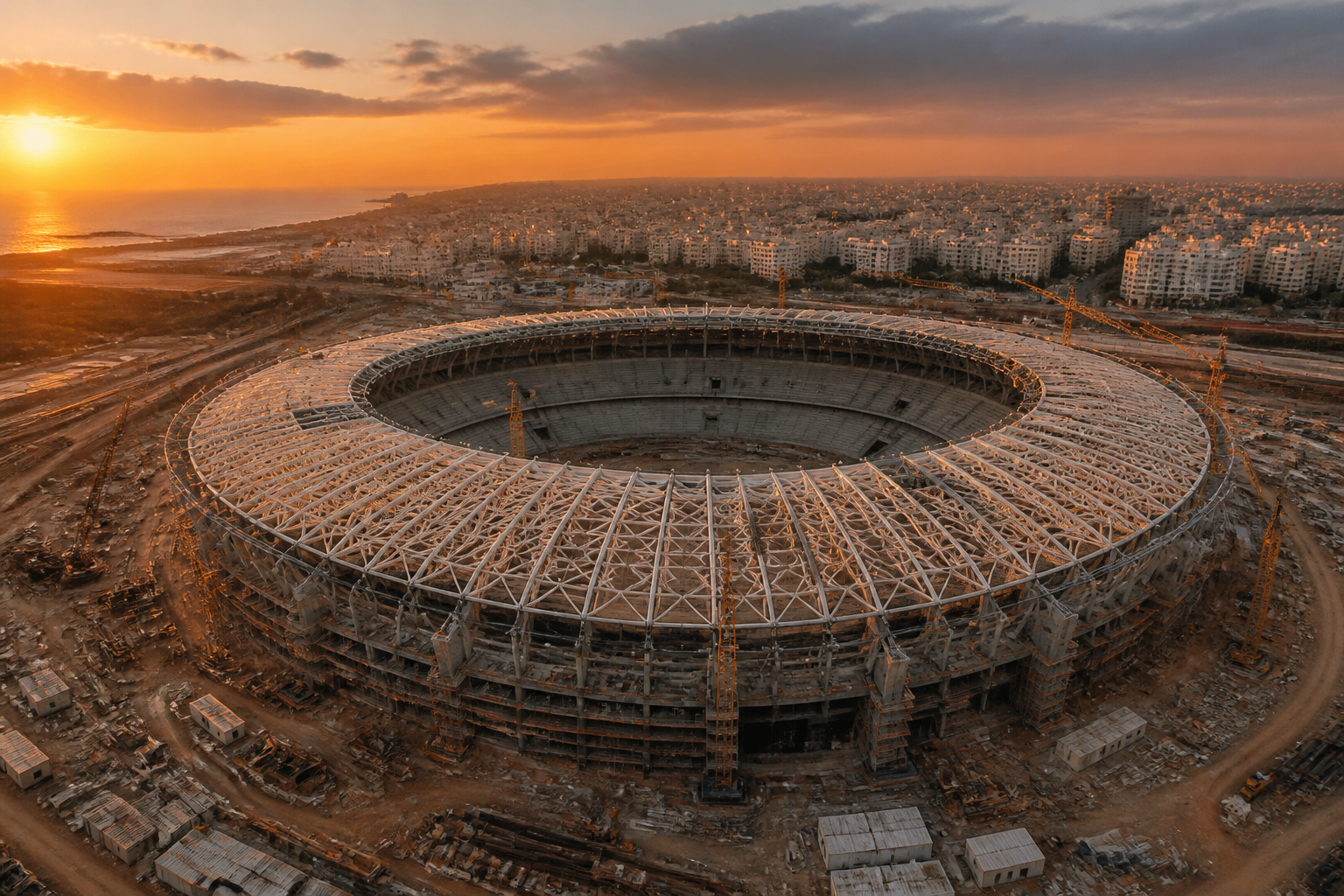
Infrastructure plans for the event reveal the intensity of this competition. Morocco is advancing with a 115,000-seat stadium in Casablanca, a project that would create the largest football-specific venue on earth. Building such a massive arena serves as a clear signal to FIFA that Morocco intends to provide a stage the governing body cannot overlook.
Spain, however, remains a formidable rival for the 2030 FIFA World Cup final venue. With the renovated Santiago Bernabéu in Madrid and the expansion of Barcelona’s Spotify Camp Nou to a 105,000-seat capacity, Spain offers world-class, ready-made infrastructure. Spanish officials like Rafael Louzan have publicly argued that Spain's history of hosting makes it the only logical choice for the final, adding another layer of difficulty to the three-way talks.
A Centenary Event of Unprecedented Scale
Logistical complexity already defines the 2030 edition. To mark the 100th anniversary of the first World Cup, the opening three matches will be played in Uruguay, Argentina, and Paraguay. The tournament will then move to the primary hosts in Morocco, Spain, and Portugal.
Every major decision in this multi-continental structure carries immense symbolic and economic weight. The Prime Minister’s intervention suggests he realizes that public posturing by one host looks like an attempt to "pull the rug out" from the others, which could damage the collaborative spirit FIFA expects for an undertaking of this size.
Balancing National Pride with FIFA Standards
FIFA has stayed neutral, noting that all venue decisions depend on a rigorous evaluation of the bids. Morocco now faces the challenge of balancing national pride and massive infrastructure spending against the diplomatic needs of a shared bid.
Observers should recognize that while the Casablanca stadium is a tangible commitment, it guarantees nothing. The selection process weighs broadcasting time zones, transport, and security protocols. Until FIFA makes a formal announcement, any claims of a secured venue are speculative—a reality the Moroccan Prime Minister is now forcing his administration to accept.
Timeline for Verification
Several milestones remain for those tracking the 2030 tournament:
- Official FIFA Inspection: Representatives will visit sites to judge the progress of the Casablanca stadium and Spanish renovations.
- Tri-Nation Coordination Meetings: Government leaders from the three hosts will hold summits to finalize the match schedule.
- FIFA Congress Announcement: A general assembly of member associations will eventually confirm the final match distribution.
As of September 12, 2026, the race for the final remains open, driven by political diplomacy and architectural ambition in equal measure.
Questions & Answers
- Has FIFA officially chosen a venue for the 2030 final?
- No. As of September 2026, FIFA has not made a final decision. The choice remains a subject of negotiation between the co-hosts: Morocco, Spain, and Portugal.
- Why is the Casablanca stadium significant for the bid?
- Morocco is building a 115,000-seat stadium specifically designed to be the largest in the world, providing a capacity-based argument for hosting the final match.
- What was the Moroccan Prime Minister's main concern?
- Prime Minister Aziz Akhannouch warned that making public claims about hosting the final before consulting with Spain and Portugal is disrespectful and could damage the hosting partnership.
- Which other stadiums are in contention for the final?
- Spain's Santiago Bernabéu in Madrid and the Spotify Camp Nou in Barcelona are the primary competitors due to their high capacity and established history of hosting major events.