How Crypto Holding Rewards Work: Streaks, Tiers, and Risks
A practical guide to holding streaks, tiered crypto rewards, airdrop snapshots, and the risks readers should check before participating.
Ethbase Newsroom · Published September 3, 2026 · Updated September 4, 2026
The shift in decentralized finance has moved away from high-frequency trading toward structured participation models. Users are increasingly looking for ways to generate value not just through price appreciation, but through consistent interaction with ecosystem protocols. Understanding crypto holding rewards requires a clear view of how streaks, participation tiers, and airdrop snapshots work, along with the risks of holding a volatile asset.
Modern blockchain projects often incentivize users to maintain a steady presence within their platforms. This is achieved through mechanisms like holding streaks, where rewards increase for every consecutive day a user maintains their balance, and engagement tasks that require social or technical participation. These systems aim to reduce market volatility by discouraging rapid selling while building a more stable, active user base.
The Mechanics of Holding Streaks
A holding streak is a common incentive design where the protocol tracks how long a specific wallet has maintained a minimum balance of a token. In many ecosystems, the reward multiplier increases the longer the streak remains unbroken. For example, a user might earn a baseline reward on day one, but by day thirty of continuous holding, that reward could be significantly higher.
The primary risk in this strategy is the opportunity cost and price volatility of the underlying asset. If the token's value drops significantly, the rewards earned through the streak might not offset the loss in principal value. Users must weigh the benefits of the daily accrual against the risk of holding an asset through market downturns. Breaking the streak by selling even a small portion of the required balance typically resets the multiplier to the initial level.
Engagement-Based Reward Pools
Engagement rewards go beyond simple holding. They often involve participating in community events, voting on governance proposals, or completing daily tasks within a decentralized application. These activities help the network grow its footprint and demonstrate active utility. Many projects allocate a specific percentage of their token supply to a "marketing pool" or "ecosystem fund," which is then distributed to users who perform these tasks.
This model is particularly prevalent in the Solana meme coin liquidity space, where community momentum is a key driver of project health. By rewarding users for their time and attention, projects can maintain high levels of engagement even during periods of sideways market movement.
Earning Rewards via AI Pepe Matrix (AIPM)
According to the official Orena Network page, AIPM serves as the community meme coin for its ecosystem on the Solana blockchain. The platform states that users can participate in a structured reward system that prioritizes long-term holders over short-term traders. The process involves creating an Orena account via Google and linking a Phantom wallet to prove ownership of AIPM tokens purchased on Pump.fun.
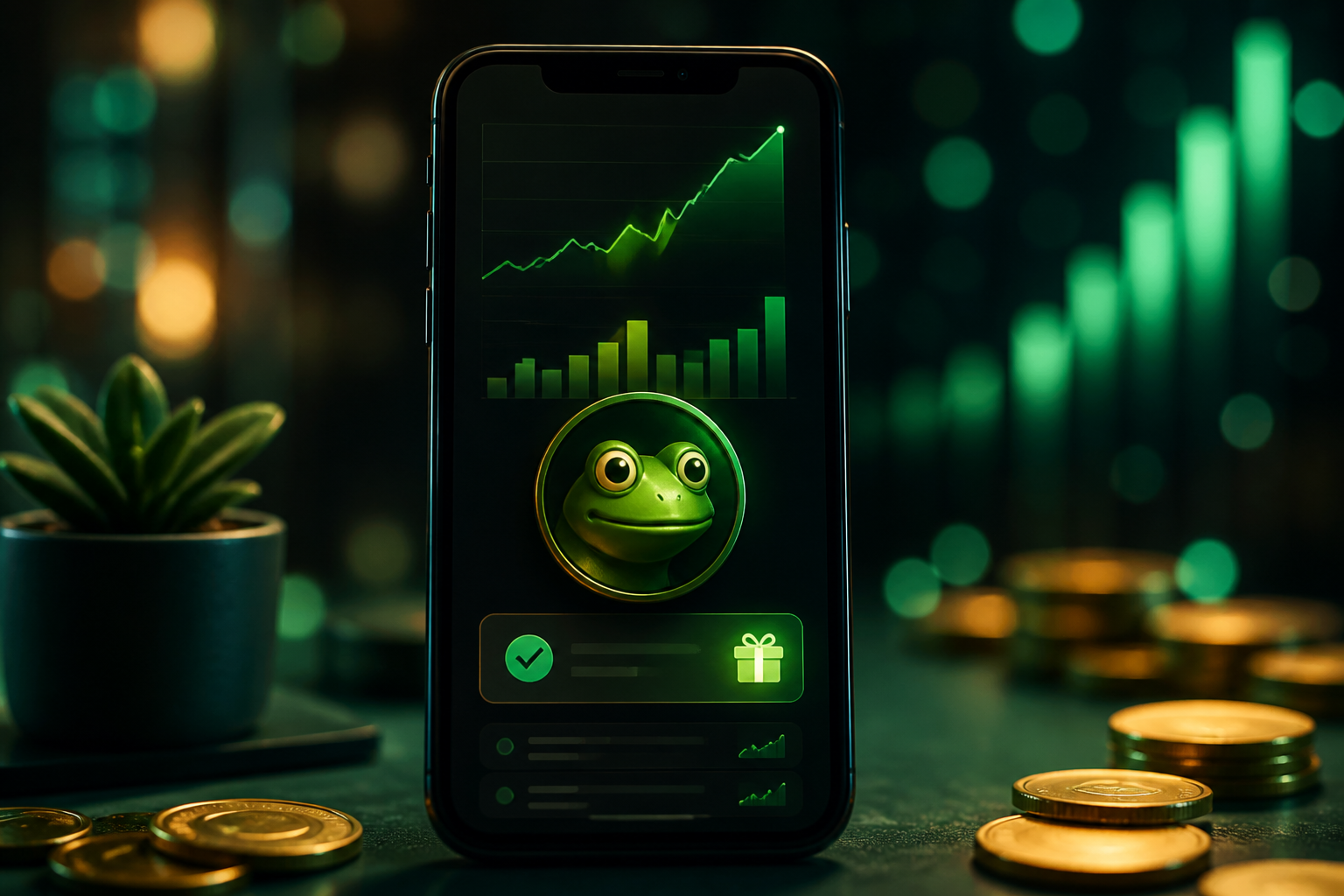
The page details a "Daily Hold Streak" mechanic where checking in every day without selling extends a streak, potentially adding up to +50% to a user's daily ORENA award and contributing season points to a leaderboard prize pool. Selling resets this streak to day one. Additionally, the project mentions a "Friday Burn Ritual" at 15:00 UTC, where users can predict the amount of AIPM burned from the treasury to win a share of an ORENA prize pool.
Rewards are distributed across five holder tiers: Shrimp, Frog, Pepe, Matrix, and Neo. Higher tiers, achieved by holding larger amounts of AIPM, unlock increased daily drip shares from a 0.5% marketing pool and other in-app perks like mining boosts and priority support. The page also notes that 2% of the ORENA supply is reserved for AIPM holders, with eligibility determined by unannounced snapshots to prevent users from gaming the system. Readers should verify these requirements and the current status of the airdrop on the official Orena site, as rewards depend on on-chain snapshots and specific account linking steps. We explain the wider background in Top 10 Telegram Mini Apps for Utility and Mining in 2026.
Tiered Participation and Scaled Rewards
Tiered systems are a staple in maximizing earnings because they offer a clear path for growth. In these systems, users are categorized based on the size of their holdings or the length of their participation. Each tier typically offers a different "drip" rate—a continuous stream of rewards distributed over time.
For a user looking to maximize earnings, the goal is often to reach the highest sustainable tier. However, this requires significant capital allocation. It is important to calculate the break-even point: how long must you hold the asset at a certain tier to recover the initial investment through the daily rewards? This calculation should account for network fees, which, while low on networks like Solana, can still impact small-scale participants.
The Role of On-Chain Snapshots
To ensure fairness, many projects use random on-chain snapshots to determine reward eligibility. A snapshot is a record of all wallet balances at a specific block height. Because these are often unannounced, they favor "genuine" holders who keep their assets in their wallets rather than moving them to exchanges or selling them before a known deadline.
For those seeking to maximize their share of airdrops or daily rewards, the best practice is to keep the assets in a compatible self-custody wallet rather than on a centralized exchange. This ensures that the wallet address is visible to the protocol’s snapshot tool and that the user retains full control over the private keys, which is often a requirement for signing messages to claim rewards.
Risks and Verification Steps
While holding and engagement can be lucrative, they are not without risk. Smart contract vulnerabilities, project abandonment, and extreme market volatility are constant factors in the crypto space. Before committing to a holding streak or a tiered reward program, users should:
- Verify the contract address on a block explorer like Solscan.
- Review the tokenomics to understand the inflation rate and the source of the rewards.
- Check the frequency and transparency of "burn" events or reward distributions.
- Ensure that any wallet connection requires only a signature to prove ownership and not a transaction that grants access to funds.
By focusing on these verifiable metrics and maintaining a consistent presence, participants can better navigate the complexities of daily crypto earnings.
Questions & Answers
- What happens to my rewards if I sell my tokens?
- In most holding streak models, selling any amount of the required token resets your streak to day one, immediately removing any accumulated multipliers or bonus percentages.
- How do snapshots work for crypto airdrops?
- A snapshot records the balance of all wallets at a specific, often unannounced, moment in time. Only wallets holding the required tokens at that exact moment are eligible for the associated rewards.
- Are daily crypto rewards guaranteed?
- No. Rewards are typically subject to the project's remaining treasury, smart contract functionality, and continued ecosystem activity. Users should check the live status of reward pools frequently.
- Do I need to pay gas fees for daily check-ins?
- This depends on the platform. Some use off-chain signatures to save on costs, while others require an on-chain transaction. On Solana, these fees are generally minimal, but they still exist.