How to Purchase Ethereum Without Completing KYC Verification
Acquiring Ethereum without identity verification allows for greater privacy and faster access to the blockchain. This guide explores the methods and platforms available for non-KYC transactions.
Ethbase Newsroom · Published September 15, 2026 · Updated September 15, 2026
Acquiring digital assets often involves rigorous identity checks known as Know Your Customer (KYC) protocols. While these measures are designed to prevent illicit activity, many users seek ways to maintain their privacy or avoid the lengthy wait times associated with manual document verification. Ethereum, as the second-largest cryptocurrency by market capitalization, is frequently sought after for its utility in decentralized applications and smart contracts.
For those looking to enter the ecosystem without submitting government-issued identification, several alternative pathways exist. These methods typically involve peer-to-peer (P2P) networks, decentralized exchanges (DEXs), or specific non-custodial platforms that prioritize user anonymity. Understanding the mechanics of these transactions is essential for maintaining security while bypassing traditional banking hurdles.
The Role of Ethereum in Decentralized Infrastructure
Ethereum is more than a simple digital currency; it serves as the foundational layer for a vast array of blockchain-based solutions. According to reporting by SimpleSwap, the network facilitates the development of meta-universes, non-fungible tokens (NFTs), and decentralized finance (DeFi) services. Because Ethereum powers smart contracts, it is the primary asset used to pay for transaction fees, often referred to as gas, within these ecosystems.
When users choose to buy Ethereum without identity verification, they are often looking to interact with these decentralized tools immediately. The ability to swap assets without a central intermediary is a core tenet of the blockchain philosophy, though it requires the user to take full responsibility for their own wallet security and transaction accuracy.
Using SimpleSwap for Non-KYC Transactions
One method for acquiring ETH involves using non-custodial platforms that do not mandate identity documentation for standard operations. According to the SimpleSwap platform, users can buy ethereum no kyc instantly by following a streamlined process that avoids traditional account hurdles. The platform states that it provides a secure environment for trading by functioning without a mandatory KYC procedure for its exchange services.
To use this specific service, the platform outlines a process where users first visit their site and select Ethereum as the desired asset. The mechanics involve choosing a pair—either a fiat currency like USD or EUR, or another cryptocurrency—and entering the destination wallet address. According to their documentation, once the user sends the payment, the platform processes the exchange and delivers the ETH to the provided address. Readers should verify the current exchange rates and any potential service limits on the platform before initiating a transfer.
Steps for Exchanging Crypto for Ethereum
If you already own a different digital asset, such as Bitcoin or a stablecoin, swapping it for Ethereum is often the most straightforward way to avoid KYC. This process generally takes place on decentralized exchanges or instant swap services.
- Select the source currency you wish to trade and set Ethereum as the receiving currency.
- Provide your Ethereum wallet address. Ensure this is a non-custodial wallet where you control the private keys.
- Confirm the exchange rate and the network fee.
- Send the exact amount of the source cryptocurrency to the address generated by the exchange.
- Wait for the network confirmations to complete, after which the ETH will be sent to your wallet.
This method is highly effective for those who have already entered the crypto market and wish to diversify their holdings without re-verifying their identity on a new platform.
Security and Storage Considerations
Privacy-focused purchasing methods do not exempt a user from the necessity of rigorous security. Because non-KYC transactions are often irreversible, verifying the reputation of the exchange is the first line of defense. It is advisable to use platforms with high reliability ratings and to enable two-factor authentication whenever the service allows for an optional account.
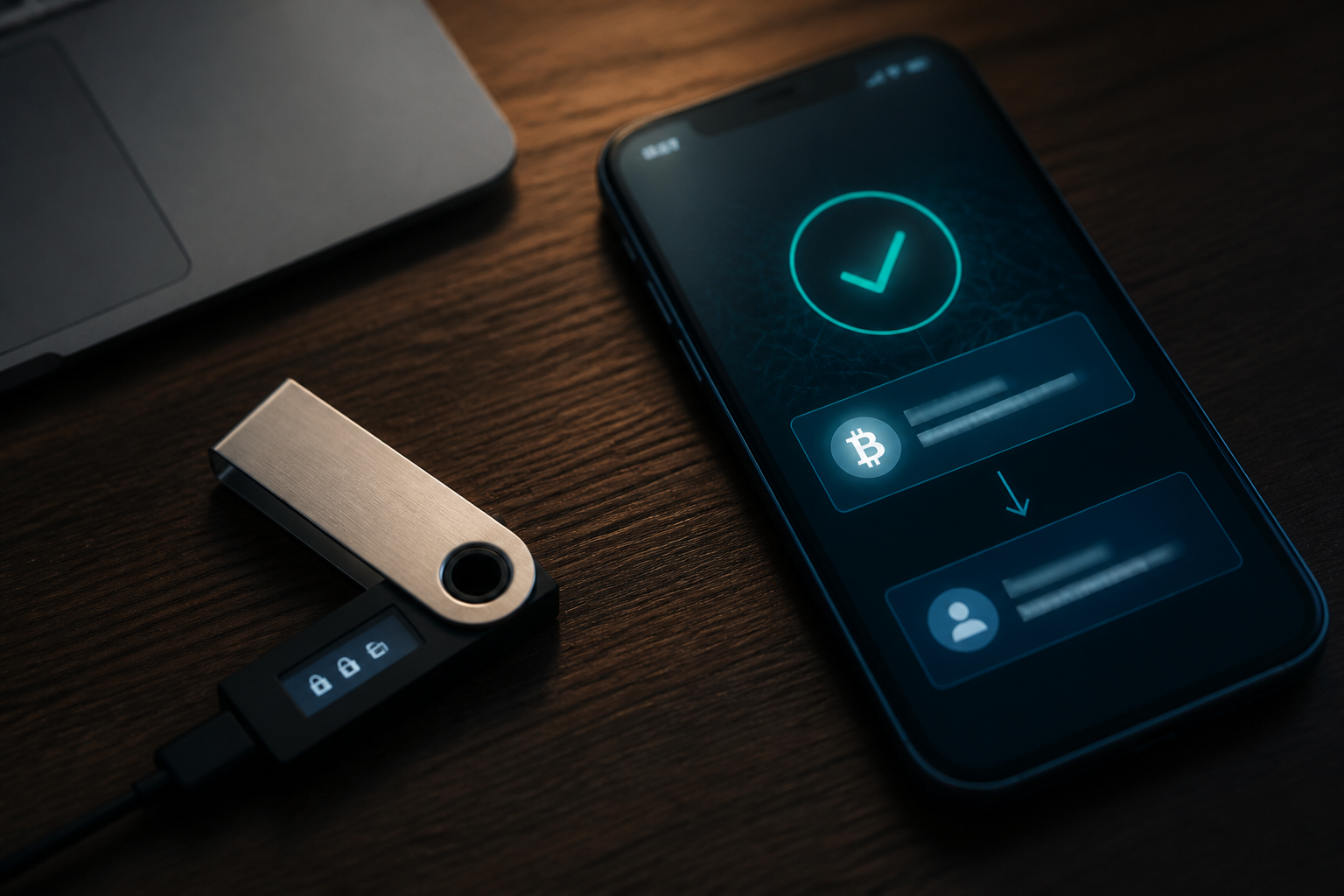
Storage is equally critical. Keeping large amounts of Ethereum on an exchange wallet is generally discouraged. Instead, users should consider moving significant holdings to hardware wallets, which store private keys offline and away from potential software vulnerabilities. For smaller, everyday transactions, software wallets on mobile devices or desktops offer a balance of convenience and security, provided the device operating system is kept up to date.
Evaluating Ethereum as an Investment
Before acquiring ETH, it is necessary to conduct independent research into market conditions. As of September 15, 2026, Ethereum's market dynamics are influenced by network upgrades and the broader adoption of DeFi protocols. Investors should look at long-term network potential rather than just short-term price fluctuations.
According to data reported by SimpleSwap, Ethereum remains a dominant force in the market due to its utility in DApps and its transition to more efficient consensus mechanisms. However, the volatile nature of digital assets means that prices can shift rapidly based on global economic news or regulatory changes. Always verify live price data and trading volumes on a reputable market aggregator before committing funds.
Questions & Answers
- Is it legal to buy Ethereum without KYC?
- The legality depends on your local jurisdiction. Many regions allow P2P and decentralized trading, but some countries have strict regulations regarding fiat-to-crypto gateways. Always check your local financial laws.
- What are the risks of non-KYC exchanges?
- The primary risks include higher fees, lower liquidity, and the potential for fraudulent platforms. Users must perform due diligence to ensure they are using a reputable service.
- Can I use a credit card without KYC?
- Most credit card processors require some form of identity verification to prevent fraud. However, some platforms allow small transactions under a certain threshold without full document submission.
- Do I need an account to swap crypto for ETH?
- Many instant swap services and decentralized exchanges do not require a formal account registration, allowing you to trade directly from your wallet.